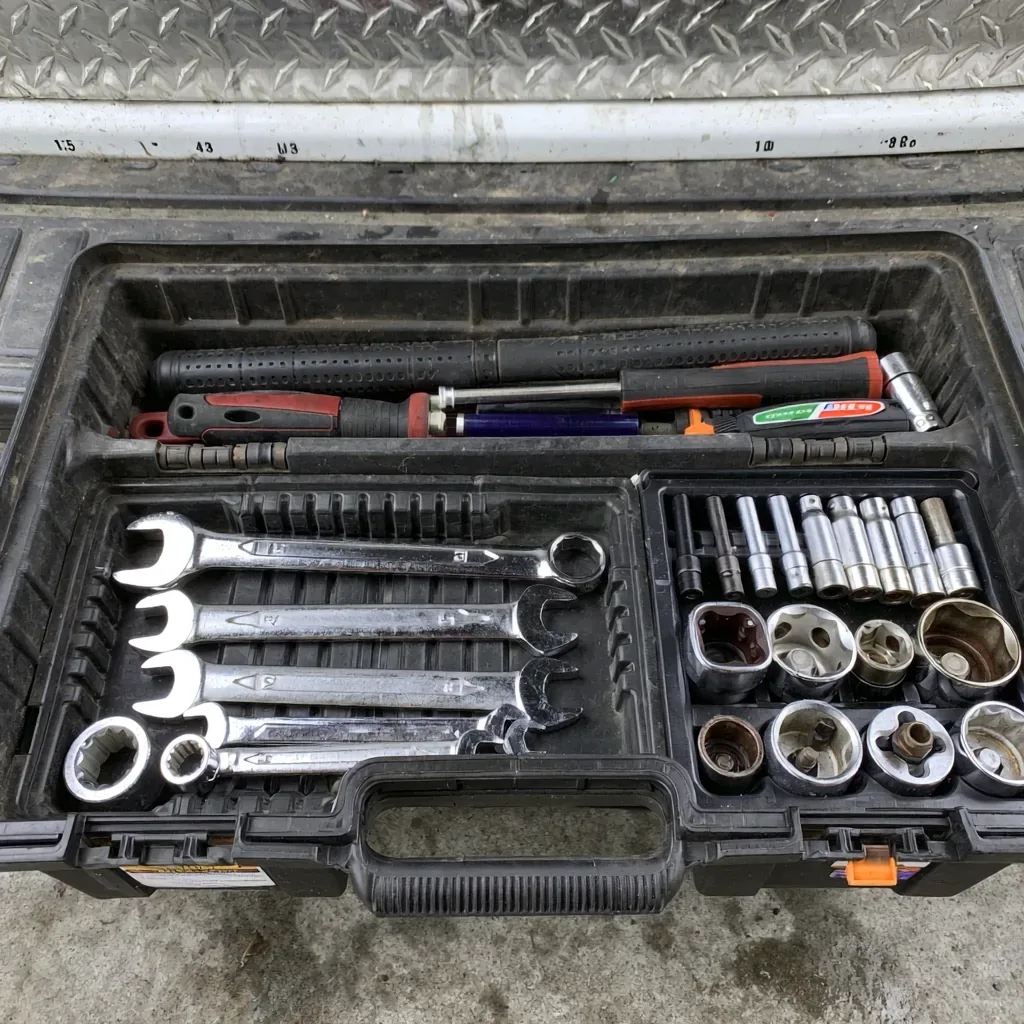
A door in Chula Vista starts squealing on the way up, and the owner wants to know if that noise means trouble or just neglect. Usually it is neglect. Rollers, hinges and bearings all carry a thin factory grease that wears off after a few years of cycles, especially on a door used daily near Third Avenue Village or out along Otay Lakes Road. The fix is cheap. The mistake is reaching for whatever oil sits in the garage already.
Salt Air Off the Bay
Not every part on the door wants the same treatment. Rollers, hinges and the torsion spring coils benefit from lubricant because metal rides against metal there. The track is the opposite case: it should stay dry, since any oil on the rail just becomes a paste that catches dust blowing off the Otay River bed or through Eastlake on a Santa Ana afternoon, and that paste drags the rollers instead of helping them glide.
Rollers Take the Cycle Count
Every trip up the track asks a roller's wheel and bearing to turn, and that repetition wears the bearing long before the wheel itself looks bad. A light coat of lithium grease on the bearing, not the wheel surface, keeps that part turning smoothly. Too much grease just becomes a magnet for the dust that a Santa Ana event pushes through an open garage, and dust in grease grinds like sandpaper.
Hinges Flex on Every Cycle
The hinges folding a sectional door near Otay Ranch or Terra Nova flex a small amount every single time the door travels, and that constant bending is where the metal thins fastest at the pin. A drop of lithium grease at each pin, wiped so it does not run down the panel, keeps the joint quiet. Skip the hinge leaves themselves, since grease there only picks up more grit than it prevents.
Bearings Fail Without Warning
The center bearing on the shaft and the bearings inside the opener rarely announce themselves before they start grinding. Grease dries out and turns gritty well before a homeowner near Rohr Park or Hilltop notices anything by ear. A small amount of lithium grease worked into the bearing at the shaft's center point, applied a couple of times a year, is what keeps that part from becoming the reason the door stops moving.
Springs Want a Light Touch
Most doors around Chula Vista, including the older extension-spring setups still running in the west-side homes near Third Avenue, use springs that benefit from a light coat of lithium grease worked along the coils by hand. Heavy grease is worse than none at all here, since it holds onto grit and dries into a crust that fights the coil's own movement instead of easing it.
Why the Opener Rail Stays Dry
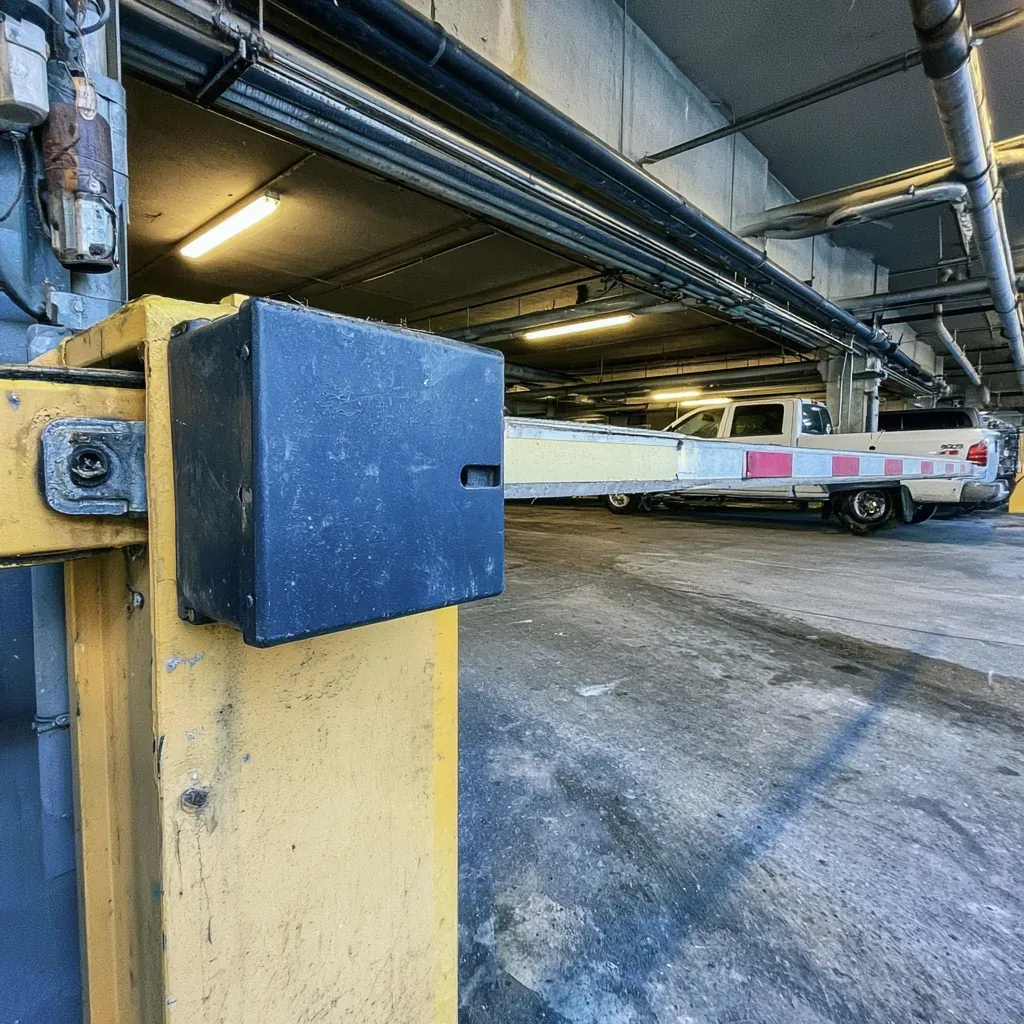
The horizontal rail running along the ceiling toward the motor unit near a garage off Hunte Parkway or Olympic Parkway is the one place lubrication does harm rather than good. A chain-drive opener needs its own light lubricant made for that chain, applied sparingly, while a belt-drive opener needs none at all. Grease meant for a roller has no business anywhere near that rail.
Where Silicone Spray Wins
The vertical and horizontal tracks the rollers ride in, along with the rubber weatherstripping along the bottom of the door, do better with silicone spray than with grease. Silicone leaves a dry film instead of a sticky one, so it does not gather the dust a Santa Ana wind carries through neighborhoods like Eastlake Woods. The track itself should stay dry, and silicone is what makes that possible without adding friction.
Heavy Grease Turns to Paste
Skip anything thick, tacky, or sold as an all-purpose grease. That kind of product grabs the dust and pollen off the air near Sweetwater Reservoir or the Sweetwater River and turns into a gritty paste inside a matter of months. Once that paste is packed into a bearing or a hinge pin, it does more grinding than the dry metal ever did on its own.
How Often It Needs Doing
How often a door needs attention depends on where it sits. A garage backing onto Chula Vista Bayfront Park or facing the marina takes on salt air that speeds up corrosion on hinge pins and spring coils, so lubrication there earns its keep every few months. Ten miles inland toward Otay Ranch or Rolling Hills Ranch, the air is drier and grittier rather than salty, and the same schedule can stretch out without the hardware suffering for it.
What a Dry, Noisy Door Signals
A cold, damp morning in January tightens grease that had already gone thin or gummy, and that stiffness shows up as a hesitation right when the door starts moving. It is a small clue, not a repair schedule, but a door that only sounds rough on those mornings near Rice Canyon or Long Canyon is usually still fine once it warms and loosens back up through the day.
When Grease Isn't the Fix
Lubrication is a maintenance step, not a repair, and it will not fix a door that already sags on one side or binds partway through its travel. If greasing the rollers and hinges quiets the noise for only a day before it returns, something underneath is worn out or out of adjustment, and that diagnosis belongs to a contractor licensed by the state, not to another squeeze of the grease tube.
Dealing with this in your home?
West of I-805, streets near the Sweetwater River still carry bay moisture inland, and hardware there corrodes faster than a spec sheet predicts. East toward Eastlake and Otay Ranch, the same bracket lasts years longer since the air stays dry. Chula Vista homeowners should match spring and roller grade to which side of that line they live on.