A rental door on the west side of Chula Vista, in the older alley-loaded stock near Third Avenue Village, gets opened and closed by somebody with no stake in its condition. A tenant leaving for Hilltop High School in the morning does not know if the spring has ten years on it or one, and a landlord who never lives on site has no way to notice a slow decline until the door stops moving.
What A New Lease Inherits
Whoever signs a lease near San Ysidro or in an older Chula Vista rental inherits a door with a history nobody wrote down. A spring cycled for years under the previous tenant's habits, an opener whose force setting was never rechecked, a track nudged out of line by a car door swung too wide. None of it shows on a walkthrough that only checks whether the door opens.
Clearing Codes At Handover
Every keypad still answers to the last tenant's code until somebody resets it, and every remote clipped to a visor still opens the door until its rolling code is cleared from the opener's memory. A landlord managing a unit near Otay Ranch or Eastlake should treat this the same as changing a deadbolt: standard between tenants, not an extra step reserved for trouble.
Habitability Versus Cosmetic
A door that will not seal at the slab, or an opener that has stopped reversing when something blocks it, is a habitability matter because it leaves an opening into the unit or a hazard nobody warned the tenant about. A dented panel, a scuffed track cover, or faded paint on a door that faces west toward the afternoon sun is cosmetic. Chula Vista tenants can call the first a repair owed to them; the second is a landlord's choice.
The Reverse Every Tenant Trusts
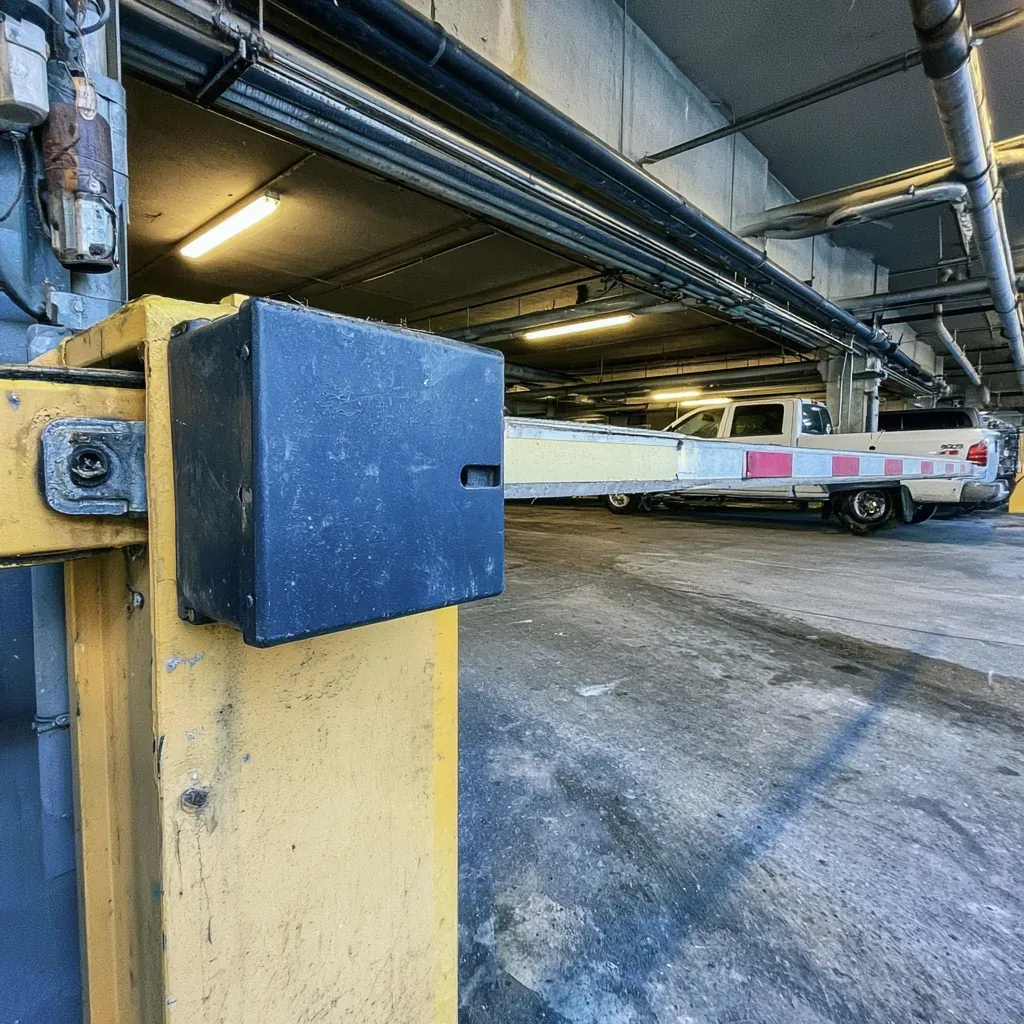
The reverse matters more in a rented duplex on Naples Street than anywhere else, because the person testing it is rarely the person who will trust it. Set a block under the door and watch it lift back on contact. A tenant with a car and a cat cannot verify the photo eyes at the bottom of the track are aimed at each other, not tilted from a bumped ladder, but a landlord doing a handover walk-through can. That five-minute check belongs on the same list as the smoke detector.
Salt, Fog, And Fouled Sensors
Upkeep on a rental door in daily use is mostly about what the tenant reports before it becomes a repair. A slow close, a reverse that no longer triggers, or a remote that stopped working after a storage unit cleared its batteries are cheap to fix in Eastlake or Otay Ranch if caught early. Left alone through a lease turnover, the same symptoms turn into a stuck panel or a cable replacement, and the cost lands on whoever owns the property in Rolling Hills Ranch or Sunbow when the next tenant moves in.
What A Tenant Actually Breaks
The damage that shows up on a Chula Vista rental is usually plain: a trash bin left in the door's path, a bike leaned against a track until it bends, a remote left in a moved-out car. An owner managing a property from outside the area, or juggling a unit near Eastlake alongside other work, cannot watch a door in person between visits and has to rely on what the next tenant reports.
The Turnover Walkthrough
Turnover is the one window a landlord can safely test a door without a tenant's car in the way. Run a full cycle and watch the travel for binding or a lean toward one side of the track. Listen for a grinding roller. Press a hand against the closing edge to confirm the reverse still fires, then check the keypad and reset every code before handing over a new set of instructions.
Which Side Of 805 Matters
A rental west of Interstate 805, in the older single-family stock near Broadway or Hilltop Drive, is more likely to still run on an extension spring with no containment cable, which a landlord should have checked rather than assume is current. East of 805, in graded hillside communities like Otay Ranch or Rolling Hills Ranch, the ground itself shifts slightly with expansive clay, and a slab that has moved can throw a track out of square even on a newer door.
A Year Of Rental Wear
A door on a rental near Eastlake Parkway or Palomar Street gets cycled by whoever is home, on whatever schedule fits their day, with none of the caution an owner might apply to a door they plan to keep for decades. A landlord budgeting for the year should expect the spring tension checked, the rollers and hinges lubricated, and the opener's force setting tested, since none of that is a tenant's job to notice or report.
The Manual Release After Move-Out
A tenant leaving during a power outage or an opener failure needs to know the manual release cord exists before they are stuck standing in a driveway near Third Avenue with a car trapped inside. A note taped near the opener, left for whoever holds the lease next, costs nothing and prevents a call at an inconvenient hour asking how to get a car out of a garage that will not open.
What A Year Of Upkeep Costs
None of this replaces a professional look at a door between leases, particularly on a Chula Vista rental that has changed tenants more than once without anyone checking the hardware. A landlord who wants that kind of inspection, or who has found a fault that crosses from cosmetic into habitability, can get a diagnosis and a price range from the licensed pros we connect you with before the next lease begins.
Dealing with this in your home?
West of I-805, streets near the Sweetwater River still carry bay moisture inland, and hardware there corrodes faster than a spec sheet predicts. East toward Eastlake and Otay Ranch, the same bracket lasts years longer since the air stays dry. Chula Vista homeowners should match spring and roller grade to which side of that line they live on.