A garage door quote in Chula Vista can arrive as a single number scrawled on a card, or as a page that names the spring, the cycle rating, and who is liable if something goes wrong in the driveway. The difference rarely shows up until the job is finished, when one homeowner has a document to point to and another has a memory of a phone call. Nine questions, asked before anyone signs, turn a guess into something a homeowner can hold a company to later.
Why The Number Alone Fails
A price by itself does not say whether the spring matches the door's actual weight, a figure that changes with insulation, windows, and whether the door is steel or wood. Streets around Eastlake and Otay Ranch were often fitted in the same building phase, so a neighbor's spring failing at the same age is a pattern, not luck. A quote that names the spring size against the door's actual weight gives a homeowner something to check rather than something to trust.
What A Cycle Rating Means
A cycle rating counts one full open and close as a single cycle, and the number is stamped on the spring itself, commonly 10,000 or higher. It is not a warranty on its own, only a manufacturer's estimate of how many trips the coil should survive before it fatigues. Near San Diego Bay that number gives back less than it promises, because pitting from salt air shortens a spring's working life well before the stamped count is reached.
One Spring Or A Matched Pair
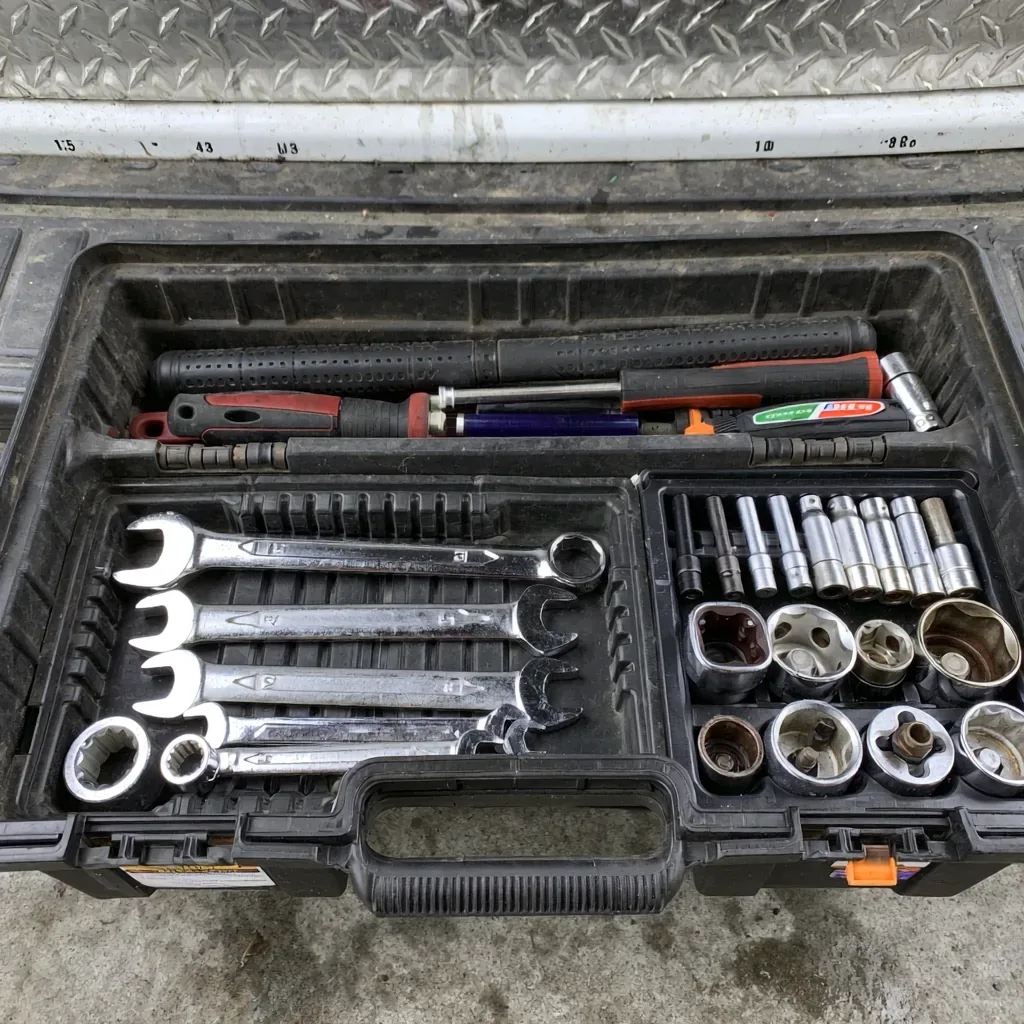
Torsion springs above a Chula Vista garage door usually work in a matched pair, wearing down together even though one typically snaps first. A quote that replaces only the broken side saves money today and leaves a second failure sitting on a clock nobody is watching. Asking whether the estimate covers one spring or both, and why, is the fastest way to see whether the person writing it understands the mechanism or is only pricing the visible half.
Parts Warranty Versus Labor
A parts warranty and a labor warranty promise two different things. One says the spring or opener itself won't fail before its rated cycle count. The other says that if it does, the return visit to remove and replace it costs nothing. A quote that only mentions one, without saying which, leaves a homeowner assuming coverage that was never written down, and assumption is a poor thing to discover a gap in months later.
Confirming Insurance Coverage
Insurance on a garage door job means general liability, covering a scratched car or a cracked window frame if something goes wrong during the work, not a promise about the door's future performance. A homeowner in Bonita or along Bonita Road has every reason to ask for proof of that coverage before anyone opens a torsion spring above a car parked in the driveway. A written estimate that names the insurer settles the question before it becomes an argument.
What Happens To The Old Door
Removing an old door means hauling off bent panels, a snapped spring, worn track, and hardware that has weight and sharp edges, and none of it disappears by itself. Some quotes fold that hauling into the price; others treat it as a separate line item added after the work is done. Asking directly whether removal is included, and where the old door and springs actually go, closes a gap that otherwise turns up as a surprise charge on the final invoice.
Reading The Written Estimate
A written estimate that names the spring size, states the cycle rating, and spells out the insurance coverage gives a homeowner in Chula Vista something concrete to compare against a second quote or hold a company to afterward. A verbal number, however confident it sounds standing in the driveway, leaves nothing to check once the work is finished. The paper is the only record of what was actually promised before the door came apart.
HOA Rules On Style Changes
Homes in the master-planned communities around Eastlake or Otay Ranch often answer to an architectural review committee rather than city code when a door's color or style changes. Each community sets its own approved palette through its CC&Rs, so a homeowner there should check their HOA's architectural guidelines before ordering a door that does not match what the association already approved, rather than after it arrives on a truck.
The Opener Has Its Own Warranty
An opener carries its own manufacturer warranty, separate from whatever covers the springs and the door panels, and asking for it in writing matters because two federal rules already govern the unit: entrapment-protection standards that apply to any residential opener built after 1991, plus a reversing-sensor rule California layered on for units made, sold or installed here from 1993 forward. A written estimate should note the opener's coverage on its own line, not folded into a single blanket promise.
Salt Air And What It Skips
Ask what happens to the door parts once the new ones go in. Torsion springs under tension, bent track, and a panel pulled off its hinges are heavier and sharper than they look, and hauling that debris off a driveway in Eastlake or Otay Ranch costs somebody money even when a quote never itemizes it. A written estimate should say plainly whether removal is included, because a verbal answer tends to change once the old door is already sitting at the curb.
What Nine Questions Add Up To
None of these nine questions is difficult on its own, but together they turn one number into something a homeowner can actually compare against a second bid. A quote that names the spring, states whether one side or both is being replaced, spells out parts versus labor coverage, confirms insurance, and says where the old door goes has answered the questions that matter before anyone signs anything in the driveway.
Dealing with this in your home?
West of I-805, streets near the Sweetwater River still carry bay moisture inland, and hardware there corrodes faster than a spec sheet predicts. East toward Eastlake and Otay Ranch, the same bracket lasts years longer since the air stays dry. Chula Vista homeowners should match spring and roller grade to which side of that line they live on.